Health
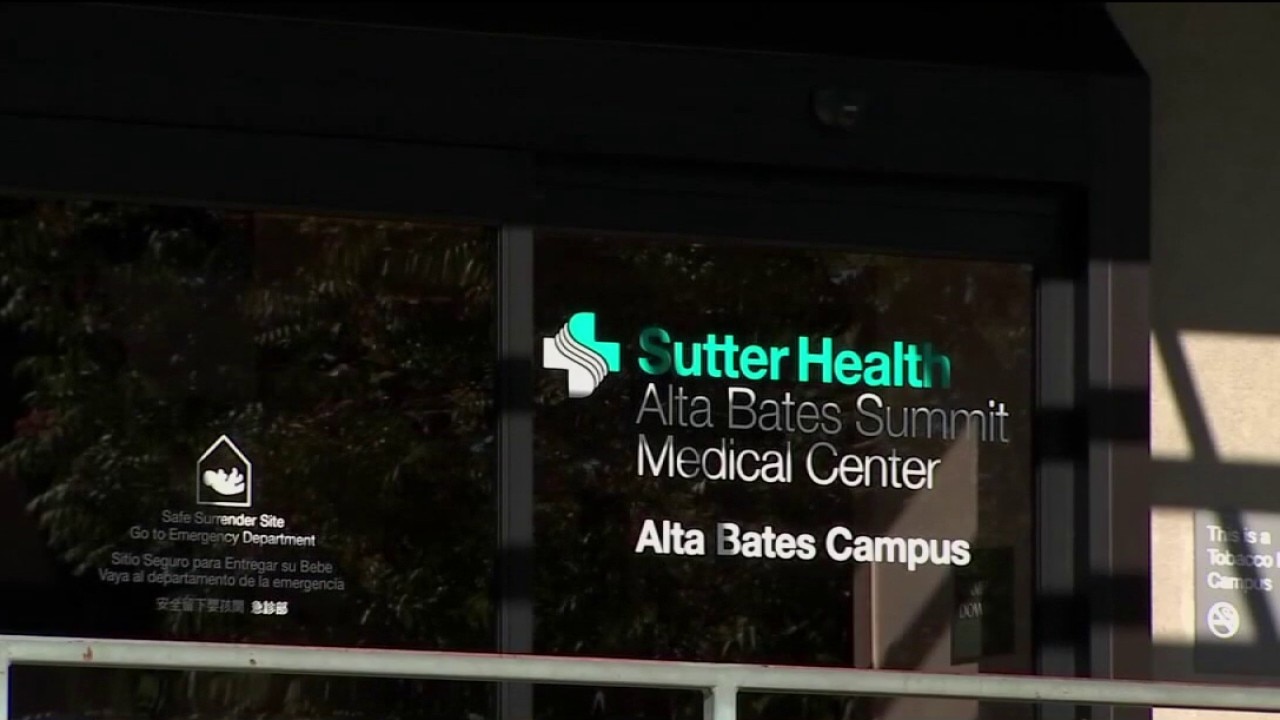
Sutter Health cancels plans for new Emeryville hospital
By Marcus Chen
Advertisement · Why this ad?
Marcus manages the day-to-day editorial workflow across all brands, coordinating coverage assignments and ensuring editorial standards are met. He previously served as city editor at the Pioneer Press and holds a degree in Political Science from Carleton College.
More from Marcus →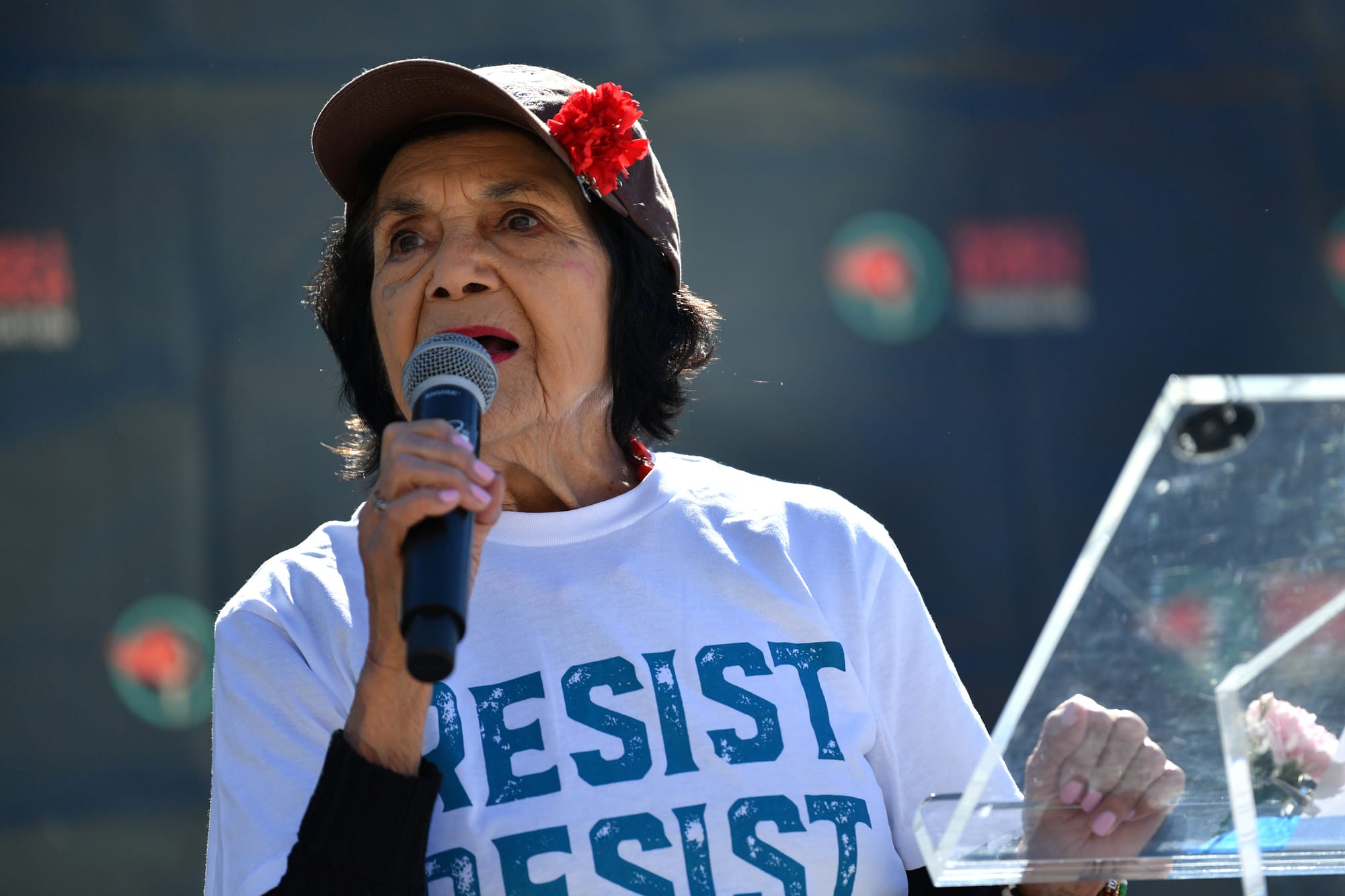
As the sun dipped below the San Francisco skyline, Governor Gavin Newsom stood before a crowd of supporters, family, and friends gathered at the California Labor and Workforce Development Agency building. With a heavy heart, he announced the renaming of the building in honor of Dolores Huerta, the legendary civil rights activist who passed away earlier this week at the age of 93. This moment not only commemorates Huerta's lifelong dedication to labor rights but also serves as a reminder of the ongoing struggle for justice and equality.
On a day marked by both celebration and sorrow, Governor Newsom officially renamed the Sacramento building to honor Huerta, a co-founder of the United Farm Workers (UFW) alongside César Chávez. Huerta's work in advocating for labor rights and social justice has left an indelible mark on California and the nation. In his speech, Newsom highlighted Huerta's unwavering commitment to improving the lives of farmworkers and her role in shaping labor policies that benefit countless families across the state.
“Dolores Huerta’s legacy is one of resilience and strength,” Newsom remarked. “Her fight for the rights of workers is a testament to the power of community and the importance of standing up for those who often go unheard.” The renaming ceremony took place just days after Huerta's passing, making it a poignant tribute to a woman who dedicated her life to advocating for the marginalized.
The announcement was met with enthusiasm and support from community members and labor advocates alike. Many gathered to honor Huerta's memory and express their gratitude for her contributions. “Dolores was a beacon of hope for so many of us,” said Maria Gonzalez, a local organizer with the UFW. “Her work has inspired generations of activists to continue fighting for justice.”
Local leaders also voiced their support for the renaming. Sacramento Mayor Darrell Steinberg stated, “This building will now serve as a constant reminder of the tireless work Dolores did for our community. It symbolizes the ongoing fight for equity and justice in the workplace.” The sentiment was echoed by labor unions and civil rights organizations, who emphasized the importance of recognizing Huerta's legacy in the fight for workers' rights.
Huerta was born on April 10, 1930, in Dawson, New Mexico, and grew up in a family that valued hard work and social justice. Her career began as a schoolteacher, but she quickly transitioned into activism, co-founding the UFW in 1962. Huerta played a crucial role in organizing the Delano grape strike, which brought national attention to the plight of farmworkers. Her famous slogan, “Sí, se puede” (Yes, we can), became a rallying cry for labor movements and social justice advocates across the country.
Throughout her life, Huerta received numerous awards and accolades for her work, including the Presidential Medal of Freedom in 2012. Her legacy continues to inspire new generations of activists who are committed to social change. By renaming the building in her honor, Newsom reinforces the importance of her contributions and the need to continue her work.
The renaming of the California Labor and Workforce Development Agency building is more than just a symbolic gesture; it represents a commitment to the values Huerta championed throughout her life. For many in the labor community, it serves as a reminder of the ongoing challenges faced by workers, particularly in the agricultural sector. With California being one of the largest agricultural producers in the nation, the fight for fair wages and safe working conditions remains critical.
Community organizations are already mobilizing to honor Huerta's legacy by advocating for policies that align with her vision. Local labor unions are pushing for stronger protections for farmworkers, including better wages, access to healthcare, and improved working conditions. “We owe it to Dolores to continue fighting for the rights of all workers,” said Gonzalez. “Her spirit lives on in our efforts.”
As the community rallies around Huerta's legacy, stories from local farmworkers illustrate the real impact of her advocacy. Many workers, like Juan Martinez, who has spent over a decade in the fields, express gratitude for the groundwork laid by Huerta. “Without her, many of us would still be struggling without rights,” he said. “Her fight has given us a voice.” Martinez's story is echoed by many, reflecting a deeply rooted appreciation for the struggles and sacrifices made by Huerta and her contemporaries.
As California moves forward under the shadow of Huerta's legacy, the state government is faced with the challenge of addressing the needs of its diverse workforce. Governor Newsom's commitment to labor rights is evident in his administration's push for policies that prioritize worker protections. This includes initiatives aimed at improving working conditions and ensuring fair wages for all California workers.
In the coming months, state officials will be reviewing labor policies to ensure they reflect Huerta's vision of equity and justice. The renaming of the building is just the beginning; it serves as a catalyst for broader discussions on labor rights and social justice across the state. Community leaders are hopeful that this renewed focus will lead to tangible changes that benefit workers and their families.
The future of labor rights in California hinges on the collective efforts of community members, activists, and policymakers. As discussions unfold around Huerta's legacy, there is a growing recognition of the need for collaborative action. Grassroots organizations are planning events and educational campaigns to raise awareness about workers' rights and the importance of collective bargaining.
Moreover, local schools are incorporating Huerta's story into their curricula, ensuring that future generations understand the significance of labor rights and social justice. “We want our children to know who Dolores was and what she fought for,” said Elena Ramirez, a teacher at a local elementary school. “Her story is a powerful lesson in courage and resilience.”
As the community reflects on Huerta's contributions, there is a palpable sense of determination to honor her legacy through action. The renaming of the California Labor and Workforce Development Agency building is a powerful reminder that the fight for justice and equality is far from over. It is a call to action for all Californians to stand together in solidarity and continue the work that Huerta dedicated her life to.
By Marcus Chen

By Marcus Chen

By Katherine Langford

By Katherine Langford