
Technology
DOJ civil rights chief Harmeet Dhillon resigns
By Marcus Chen
Advertisement · Why this ad?
Katherine oversees editorial operations across all six brands. Before joining The Meridan Group, she spent 14 years at the Minneapolis Star Tribune, where she led the metro desk through its digital transformation. She holds a Master's in Journalism from Northwestern's Medill School.
More from Katherine →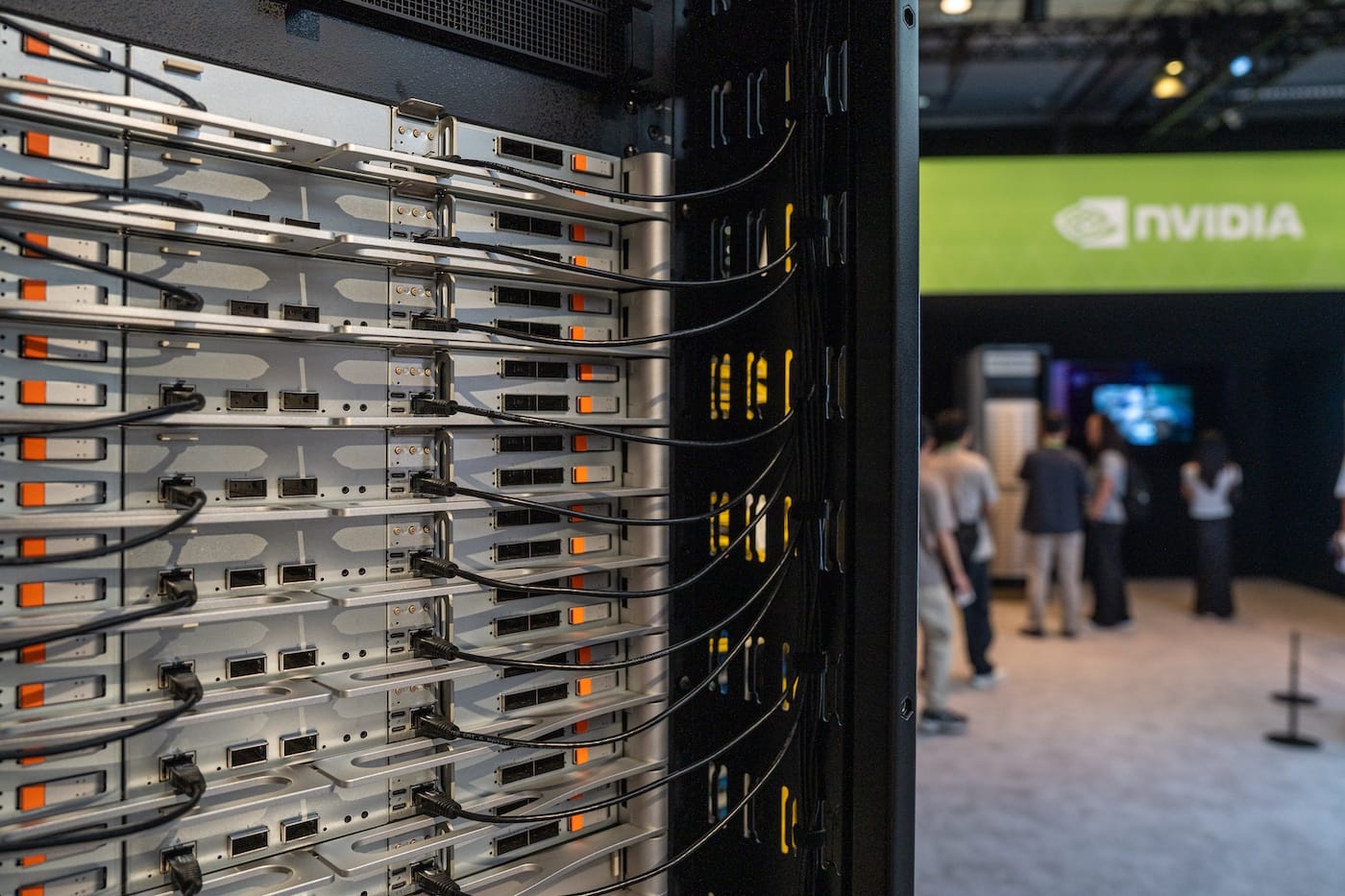
On a quiet summer morning in Oakland, a truck bearing the logo of a well-known food transport company pulled away from a loading dock, carrying a cargo valued at an astonishing $11.4 million. Less than a week later, that truck vanished without a trace—its cargo of Nvidia chips and advanced computer hardware stolen in a brazen act that underscores a troubling trend in cargo thefts targeting the burgeoning AI industry. For local residents and industry insiders alike, this incident is a stark reminder of the evolving threats faced by critical supply chains in our region and across the nation. The Bay Area, long recognized as a global hub for technology and innovation, now finds itself grappling with a new frontier of criminal activity that directly threatens its economic vitality and technological leadership.
The theft occurred on August 29, when the truck, en route from Oakland to Fort Worth, Texas, suddenly lost contact with its dispatch. Investigators quickly traced its route as far as San Bernardino County, where the vehicle made several lengthy stops—an unusual pattern that suggested the perpetrators were familiar with freight operations and possibly had inside knowledge. Despite efforts to track the vehicle, the trail went cold, and the truck—and its invaluable cargo—disappeared into the shadows.
Law enforcement officials believe that the suspects, who are yet to be apprehended, may have obtained some of their vehicles in Southern California. The group appears to have traveled from the region to the Bay Area specifically to carry out this theft, exploiting the complex logistics networks that often lack sufficient security measures for high-value shipments. The incident highlights how organized and well-informed these criminal groups have become, often operating with military-like precision to target valuable hardware destined for data centers that power artificial intelligence applications across the country.
In the context of Oakland’s industrial landscape, this theft hits close to home. The city, historically a hub for manufacturing and transportation, has seen a significant transformation over the past few decades. Today, Oakland hosts a mix of warehouses, tech startups, and distribution centers that serve as critical nodes in national and international supply chains. The docks and freight corridors are vital arteries for the region’s economy, but they are also increasingly vulnerable to sophisticated criminal enterprises that view high-value cargo as lucrative targets. This incident underscores the urgent need for enhanced security measures and community vigilance to protect local businesses and the broader economy.
Over recent years, the theft of Nvidia hardware has surged, driven by the soaring demand for AI technology. Nvidia chips are critical components in data centers, supercomputers, and research facilities, making them highly lucrative for thieves. Last November, authorities arrested six men in Southern California who allegedly stole up to $22 million worth of Nvidia products over five years, including a $7 million haul from a Burlingame warehouse in December 2024 and nearly $200,000 worth of chips in Fremont in June 2025. These thefts are part of a broader pattern that has alarmed industry experts and law enforcement alike.
Prosecutors have uncovered a sophisticated network of criminals who use fake vehicle registrations, switch license plates, and monitor police movements to evade capture. In some cases, they have been caught with tools like radio signal jammers, walkie-talkies, and large sums of cash—evidence of their intent to operate covertly and efficiently. The stakes are high, not only for the companies involved but also for the broader community, as stolen hardware often ends up on the black market or is shipped overseas, potentially to nations like China, where demand for AI components remains strong.
For residents of the Bay Area, these thefts serve as a stark reminder of the vulnerabilities in our supply chains and the importance of safeguarding technological innovation. The loss of such high-value cargo affects more than just the companies involved; it threatens the stability of local jobs, the integrity of research institutions, and the broader economic ecosystem that depends on secure logistics. Many local families, especially those working in manufacturing, logistics, and tech support, feel the ripple effects of these crimes, which can lead to increased shipping costs and delays that impact everyday consumers.
In Oakland, community leaders are increasingly vocal about the need for stronger security protocols at freight hubs. Local organizations, such as the Oakland Chamber of Commerce and the Bay Area Logistics Alliance, are advocating for investments in surveillance technology, better training for security personnel, and tighter regulation of high-value shipments. These measures aim to prevent future thefts and reassure residents and businesses that their economic future remains secure. The incident also raises questions about the adequacy of existing security standards in the region’s transportation infrastructure, prompting calls for policy reforms and increased federal oversight.
Community members are also concerned about the broader implications of these crimes. Many residents, especially those living near freight corridors and industrial zones, worry about the safety of their neighborhoods. The presence of organized crime, armed thefts, and staged collisions—methods increasingly used by thieves—can create a climate of fear and mistrust. Local law enforcement agencies are working to enhance patrols and intelligence-sharing to combat these threats, but community engagement remains crucial in building resilience against such criminal activities.
Among those most affected are small business owners and warehouse operators who rely heavily on secure logistics. Maria Lopez, owner of a mid-sized electronics distribution company in Oakland, expressed her concerns: “We’ve seen an uptick in thefts over the past year, and it’s alarming. We’re investing more in security cameras and employee training, but these criminals are becoming more sophisticated. It’s a constant battle to keep our goods safe.”
Similarly, local law enforcement officials emphasize the importance of community cooperation. Sergeant David Chen of the Oakland Police Department stated, “We’re working closely with industry partners to identify patterns and disrupt these criminal networks. But we need residents and workers to stay vigilant and report any suspicious activity immediately.”
These perspectives highlight the broader societal challenge—protecting economic assets while maintaining community safety. As the region continues to innovate and grow, integrating security into the fabric of daily operations becomes essential to safeguarding Oakland’s reputation as a tech and logistics hub.
Looking ahead, authorities are intensifying efforts to track down the stolen Nvidia hardware and dismantle the criminal networks behind these thefts. Enhanced surveillance, better GPS tracking, and tighter security protocols are being implemented at major freight hubs across California and beyond. Law enforcement officials also emphasize the importance of community vigilance, encouraging residents and industry workers to report suspicious activity promptly.
For local families, the hope is that these efforts will lead to a reduction in cargo thefts and a return to safer, more secure supply chains. The incident also underscores the need for ongoing investment in security technology and in fostering a culture of integrity within the logistics industry. As the Bay Area continues to lead in technological innovation, it must also lead in protecting its assets—ensuring that the promise of the American dream remains attainable for all who work tirelessly in our communities.
In the coming months, stakeholders will likely push for stronger legislation and industry standards to prevent future thefts, recognizing that the security of high-value shipments is integral to the region’s economic vitality. The community’s resilience and commitment to faith, family, and honest enterprise will be key in overcoming these challenges and safeguarding our shared future.
Furthermore, local universities and research institutions are increasingly involved in cybersecurity initiatives aimed at protecting supply chains. Programs at institutions like UC Berkeley and Stanford are developing advanced tracking systems and security protocols tailored to the unique needs of high-tech logistics. These collaborations between academia, industry, and law enforcement are vital in creating a multi-layered defense against organized cargo thefts.
As Oakland and the broader Bay Area grapple with these challenges, community organizations are also stepping up. Neighborhood watch groups, business coalitions, and civic leaders are working together to foster a culture of vigilance and resilience. Public awareness campaigns are being launched to educate residents and workers about the signs of organized theft and the importance of security best practices.
Ultimately, the goal is to build a robust ecosystem that not only deters theft but also promotes economic growth and innovation. Protecting high-value cargo like Nvidia chips is more than a matter of security; it’s about safeguarding the future of technology-driven industries that define Oakland’s identity and prosperity. The community’s collective efforts will determine how effectively we can counter these threats and ensure that Oakland remains a beacon of innovation and opportunity for generations to come.
By Marcus Chen

By Katherine Langford
By Katherine Langford

By Marcus Chen