Technology
The procrastinator’s guide to Election Day in Santa Cruz County
By Katherine Langford
Advertisement · Why this ad?
Marcus manages the day-to-day editorial workflow across all brands, coordinating coverage assignments and ensuring editorial standards are met. He previously served as city editor at the Pioneer Press and holds a degree in Political Science from Carleton College.
More from Marcus →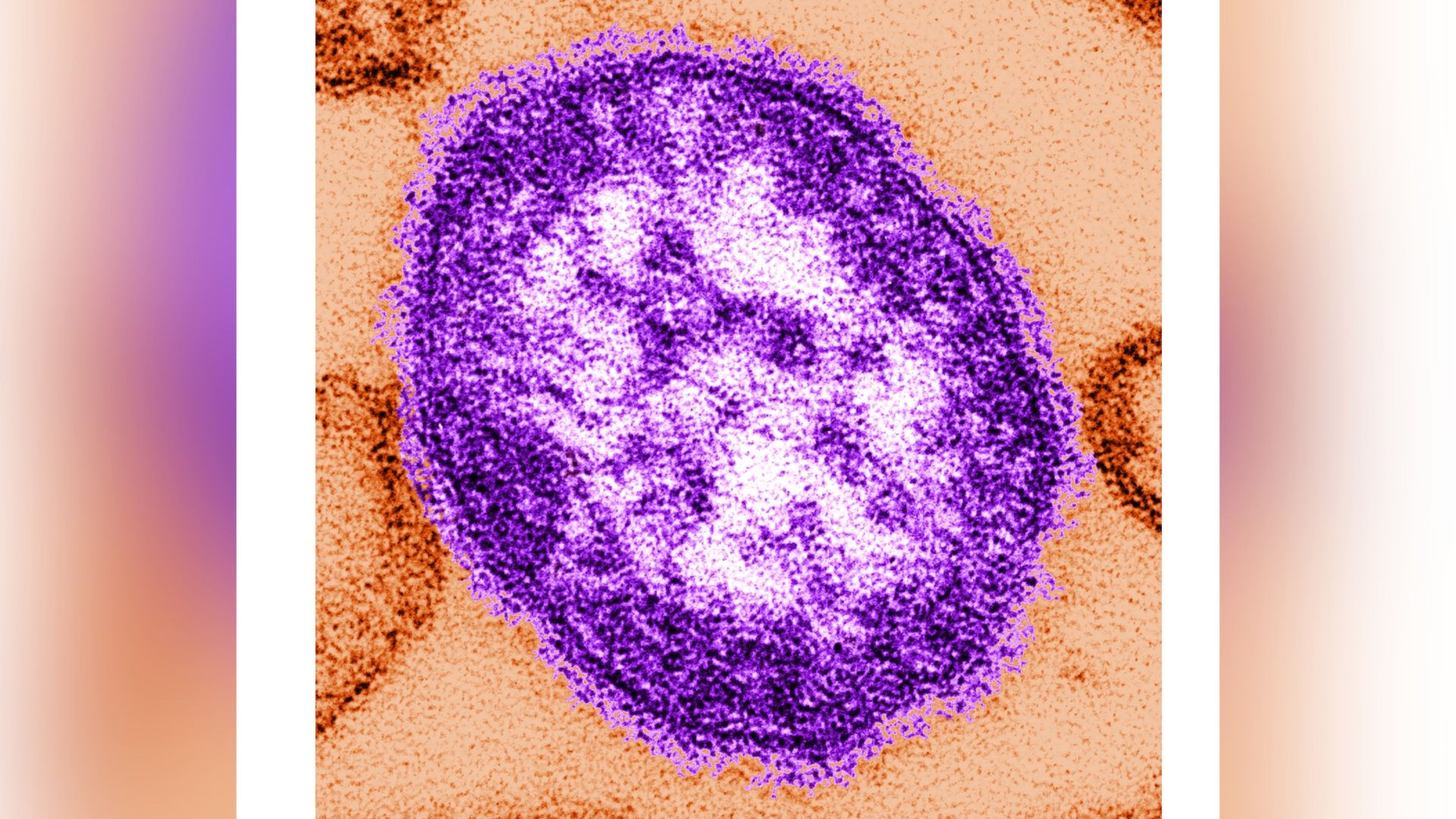
In a tragic reminder of the vulnerabilities faced by communities, a child in Lewis County, New York, has died amid a measles outbreak that has gripped the state. The heartbreaking news hit the airwaves on November 3, 2026, marking the first measles-associated death in New York in over three decades. This incident underscores a growing public health crisis that has prompted state officials to take urgent action.
The New York State Department of Health confirmed the child's death in a joint statement with Lewis County Public Health. "We are deeply saddened by the death of a child in Lewis County associated with the ongoing measles outbreak," the statement read. It expressed condolences to the grieving family while requesting privacy during this difficult time. This tragic loss comes as New York battles an outbreak that has seen 178 confirmed cases of measles this year, with eight of those cases reported in New York City alone as of October 24.
The outbreak prompted New York Governor Kathy Hochul to declare a state disaster emergency just a month prior, a significant move that reflects the seriousness of the situation. This emergency order allows registered nurses to order specimen collection and testing for suspected measles cases, marking a critical step in managing the crisis.
Measles is a highly contagious viral infection that can lead to severe health complications, particularly in young children. According to the CDC on Measles, symptoms typically start with a high fever, cough, runny nose, and red, watery eyes. As the illness progresses, patients may develop distinctive Koplik spots inside the mouth followed by a rash that spreads from the face downward.
Health experts note that early symptoms can escalate quickly, with fever potentially reaching dangerous levels. The CDC emphasizes the importance of vaccination, recommending that children receive two doses of the MMR (measles, mumps, rubella) vaccine—first between 12 to 15 months and again between 4 to 6 years. Vaccination is crucial, as one dose is 93% effective in preventing measles, while two doses increase efficacy to 97%.
The current outbreak is not confined to New York; it reflects a national trend. As of late October 2026, more than 4,800 measles cases have been confirmed across the United States, the highest number since 1991. The CDC reports that approximately 96% of these cases have occurred among unvaccinated individuals or those with unknown vaccination statuses, highlighting a concerning gap in community immunity.
This resurgence of measles raises alarms about public health policy and the importance of maintaining high vaccination rates. Areas with lower vaccination coverage are particularly susceptible to outbreaks, which can have devastating consequences, especially for vulnerable populations like infants and those with compromised immune systems.
The death of a child due to measles is a wake-up call for communities nationwide, including Atherton. Families are urged to review their vaccination records and ensure that their children are protected against this preventable disease. The emotional toll of such a loss resonates deeply, reminding us of the fragility of life and the importance of community health.
Local health officials in Atherton are likely to monitor the situation closely, providing resources and information to families about vaccination and disease prevention. This incident serves as a catalyst for conversations about the importance of health education and community responsibility in protecting our most vulnerable members.
In Lewis County, where the child passed away, community leaders are grappling with the weight of this loss. Local schools are stepping up to provide educational sessions for parents about the dangers of measles and the critical role of vaccinations. This outreach aims not only to inform but also to foster a supportive environment where families can discuss their concerns and find reassurance in the efficacy of vaccines.
For families in Atherton and surrounding areas, resources are available to assist with vaccination and health education. The Santa Clara County Public Health Department provides information on vaccination clinics and educational materials about measles and other vaccine-preventable diseases.
Additionally, local pediatricians and healthcare providers can offer guidance on vaccination schedules and address any concerns parents may have about the safety and efficacy of vaccines. Engaging with healthcare professionals is a critical step in ensuring that families are informed and prepared to protect their children.
Moreover, community organizations are organizing informational workshops to discuss the importance of herd immunity and how vaccinations not only protect individual children but also the community at large. These initiatives aim to create a culture of health awareness and responsibility among residents.
As New York continues to grapple with this outbreak, the focus will remain on increasing vaccination rates and public awareness. Governor Hochul's emergency declaration is a pivotal moment that could influence policy changes aimed at preventing future outbreaks.
In Atherton, community leaders and health officials will likely emphasize the importance of vaccination during public forums and health fairs. By fostering a culture of health responsibility, residents can contribute to the broader goal of maintaining community immunity and safeguarding the well-being of children.
The tragic loss of a child to measles is a stark reminder that public health is a shared responsibility. As families come together to support one another, the hope is that this incident will galvanize action and commitment to health education and vaccination.
In conclusion, the measles outbreak in New York and the associated death highlight critical issues surrounding public health and vaccination. Communities must rally together to ensure that such tragedies do not occur again. By prioritizing health education and vaccination, we can protect our children and preserve the values of strong, healthy families.
In light of this recent tragedy, it is essential for individuals and families to take proactive steps. This includes not only getting vaccinated but also advocating for vaccination in their communities. Parents can engage with school boards to ensure that health education is a priority and that vaccination rates are monitored and supported.
Moreover, community leaders are encouraged to collaborate with local health departments to create campaigns that address vaccine hesitancy. By sharing stories and educating the public about the safety and benefits of vaccines, they can help dispel myths and misinformation that contribute to the decline in vaccination rates.
Ultimately, the loss of a child to a preventable disease should serve as a rallying point for communities across New York and beyond. Together, through education, advocacy, and a commitment to public health, we can work towards a future where such tragedies are no longer a reality.
By Katherine Langford

By Marcus Chen

By Marcus Chen
By Katherine Langford