Business
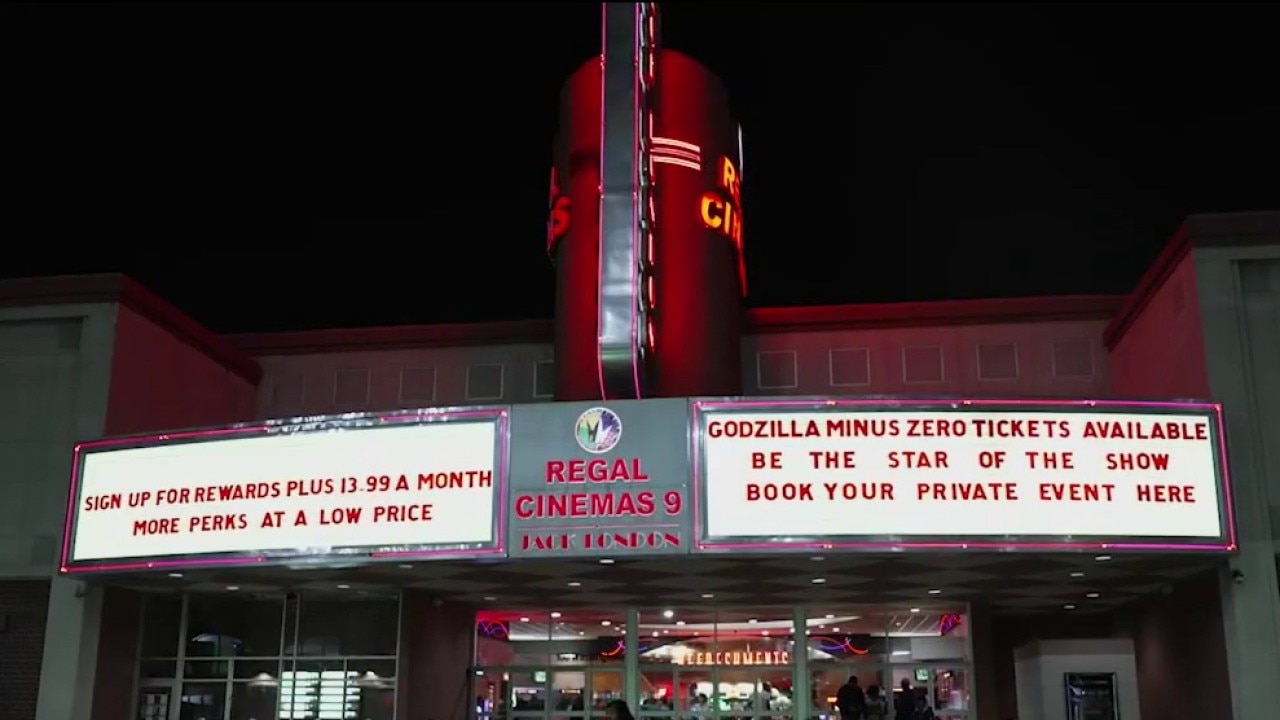
'The Eyes of Ghana' produced by Obamas screens in Oakland
By Katherine Langford
Advertisement · Why this ad?
Katherine oversees editorial operations across all six brands. Before joining The Meridan Group, she spent 14 years at the Minneapolis Star Tribune, where she led the metro desk through its digital transformation. She holds a Master's in Journalism from Northwestern's Medill School.
More from Katherine →
On a crisp autumn day in San Francisco, a group of activists gathered outside the Golden Gateway Garage, their expressions a mix of determination and concern. They held signs advocating for immigrant rights, their voices rising in unison against what they perceived as a breach of the city’s sanctuary policies. Just a few blocks away, the presence of Immigration and Customs Enforcement (ICE) loomed large, as vehicles assigned to the agency were parked in a city-owned facility. This moment, emblematic of the ongoing tensions between local governance and federal immigration enforcement, sparked a significant response from city officials.
The San Francisco Municipal Transportation Agency (SFMTA) has officially requested that the federal government remove ICE vehicles from the Golden Gateway Garage, following revelations that dedicated parking spaces had been allocated to the agency. In a letter dated October 30, SFMTA’s director of transportation, Julie Kirschbaum, expressed her disapproval of this arrangement, stating, “I did not approve this arrangement, nor would I, because it is inconsistent with the City’s laws and policies.”
This request comes in the wake of growing concerns regarding the city’s commitment to its sanctuary laws, which prohibit collaboration with federal immigration agencies. San Francisco’s “ICE-Free Zones” legislation explicitly bars ICE from utilizing city-owned property to conduct operations. Kirschbaum’s letter underscores the urgency of the situation, as she called for an immediate cessation of ICE vehicle parking at the facility.
The Golden Gateway Garage, managed by IMCO Parking under a contract with the city, has been the subject of scrutiny for its role in facilitating federal operations. While the SFMTA was aware of IMCO’s subcontract with the General Services Administration (GSA), which oversees logistics for federal agencies, the extent of knowledge regarding ICE’s presence in the garage remains unclear.
The community's response has been swift and vocal. Activists monitoring immigration enforcement in the area have reported witnessing ICE vehicles entering and exiting the Golden Gateway Garage for over a year. Angela Chan, a prominent advocate and co-author of local and state sanctuary policies, remarked that while Kirschbaum’s letter is a positive step, it falls short of what is needed. Chan emphasized the necessity for a thorough investigation into how this agreement was established and urged the SFMTA to terminate the contract with IMCO Parking.
“This should not have happened in the first place,” said Supervisor Bilal Mahmood, who plans to introduce a letter of inquiry at the upcoming Board of Supervisors meeting. Mahmood’s inquiry aims to uncover potential violations across city departments and ensure that all contracts align with sanctuary policies. The response from the community is not just about the vehicles; it symbolizes a larger struggle for immigrant rights and the city’s commitment to protecting vulnerable populations.
The implications of this situation extend beyond San Francisco. Similar challenges are unfolding in cities across the United States, with New York City facing its own controversy regarding ICE operations in city-owned parking lots. Mayor Zohran Mamdani’s recent threat to sue ICE reflects a growing trend among urban leaders to confront federal immigration enforcement practices directly. As local governments grapple with the complexities of sanctuary laws, the actions taken in San Francisco could set a precedent for how cities respond to federal overreach.
San Francisco has long positioned itself as a sanctuary city, a designation that reflects its commitment to protecting immigrant communities. The city’s sanctuary policies were established in response to heightened federal immigration enforcement, aiming to create safe spaces for individuals regardless of their immigration status. The “ICE-Free Zones” legislation is a cornerstone of these policies, designed to prevent ICE from using city resources to conduct operations.
However, the recent revelation about ICE vehicles in the Golden Gateway Garage raises questions about the efficacy of these protections. Activists have pointed to past incidents of ICE arrests in the vicinity, including confrontations between protesters and ICE agents that have escalated tensions in the community. The presence of ICE vehicles in a city-owned garage not only undermines the sanctuary policies but also places immigrant residents in a precarious position.
The legal ramifications of this situation are significant. Under city code, the San Francisco City Attorney has the authority to sue to enforce sanctuary laws, yet the office has remained silent on this issue, citing attorney-client privilege. This lack of action has raised concerns among community advocates who fear that the city may be failing to uphold its own policies. The SFMTA’s request for the removal of ICE vehicles is a critical step, but the effectiveness of this action will depend on the city attorney’s willingness to pursue legal avenues to protect sanctuary laws.
The political landscape surrounding this issue is complex. Mayor Daniel Lurie’s office has refrained from commenting, leaving many to speculate about the administration’s stance on immigration enforcement. The upcoming Board of Supervisors meeting, where Mahmood will introduce his inquiry, could serve as a pivotal moment for the city’s leadership to demonstrate its commitment to sanctuary policies. The community is watching closely to see how elected officials respond to this challenge.
As the situation unfolds, the SFMTA’s request for the removal of ICE vehicles from the Golden Gateway Garage represents a critical juncture for San Francisco. The agency’s commitment to upholding sanctuary laws will be tested in the coming weeks as city officials navigate the complexities of federal contracts and local policies. Activists and community members are mobilizing to ensure that their voices are heard and that the city remains steadfast in its commitment to protecting immigrant rights.
Future actions may include increased scrutiny of contracts between the city and private operators, as well as a renewed focus on training for city departments to ensure compliance with sanctuary laws. The city’s response to this incident will not only impact the immediate situation but will also shape the broader narrative around immigration enforcement in San Francisco.
In conclusion, the request to remove ICE vehicles from a city-owned garage is not merely an administrative matter; it reflects the values and principles that define San Francisco as a sanctuary city. As the community rallies to support immigrant rights, the actions taken by city officials will resonate far beyond the confines of the Golden Gateway Garage.
By Katherine Langford

By Katherine Langford

By Katherine Langford

By Katherine Langford