Community
Live election results for 2026 California propositions. Here's where the races stand
By Katherine Langford
Advertisement · Why this ad?
Katherine oversees editorial operations across all six brands. Before joining The Meridan Group, she spent 14 years at the Minneapolis Star Tribune, where she led the metro desk through its digital transformation. She holds a Master's in Journalism from Northwestern's Medill School.
More from Katherine →
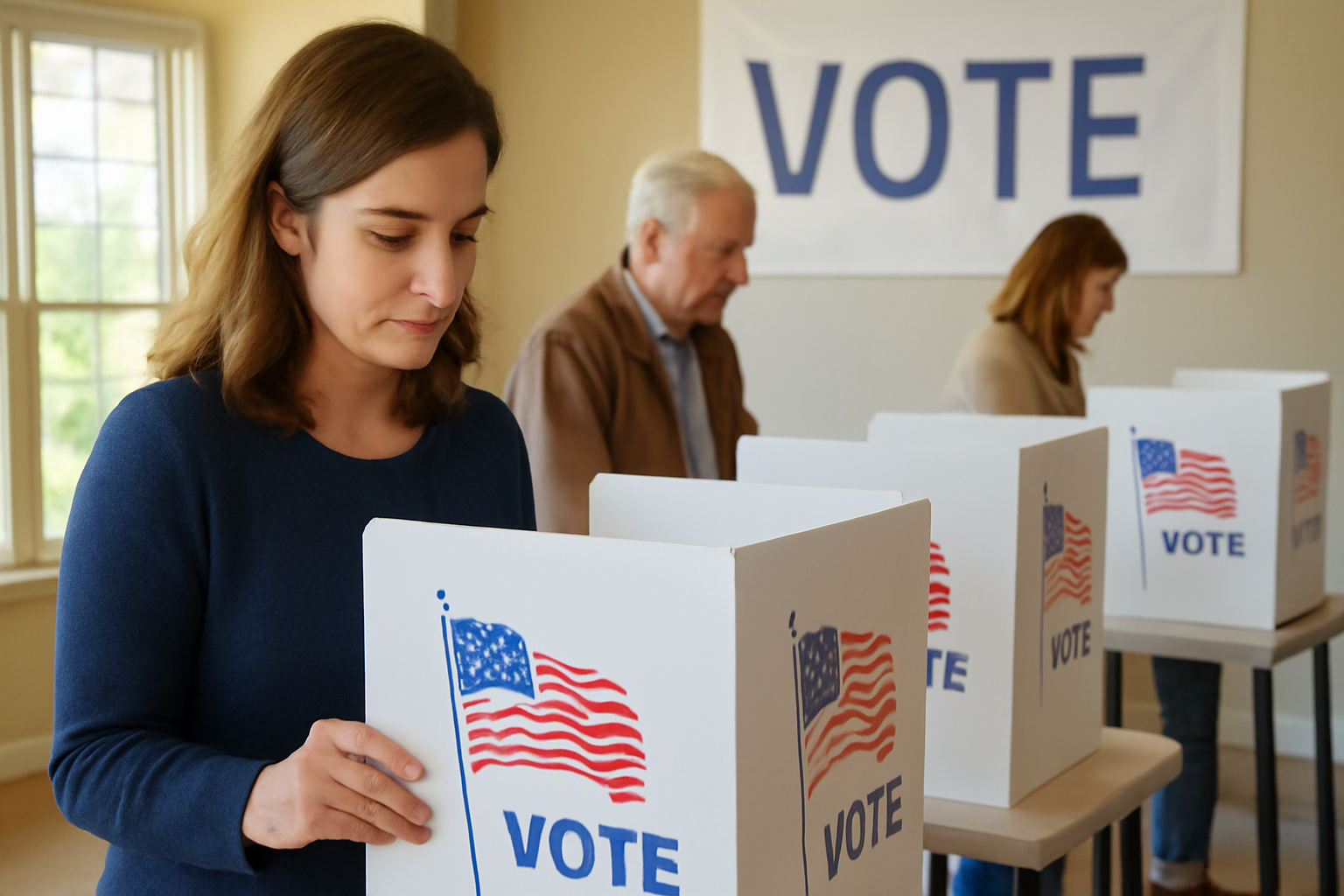
As the sun dipped below the iconic skyline of San Francisco, the city held its breath, waiting for the results of the 2026 elections. Voters took to the polls, their choices reflecting the hopes and aspirations of a diverse community. The stakes were high, with local measures and key races that could shape the future of this vibrant city.
On November 8, 2026, San Francisco voters participated in a pivotal election that would determine the direction of local governance and community initiatives. The ballot included candidates for mayor, district supervisors, and several important propositions. Among these measures were proposals addressing housing affordability, public safety, and environmental sustainability, all of which resonate deeply with the residents of this dynamic city.
The mayoral race featured incumbent Mayor London Breed, who faced significant challenges from her opponents, including former Supervisor Matt Haney and community activist Leanna Louie. Each candidate presented distinct visions for San Francisco's future, with Breed emphasizing her administration's efforts to tackle homelessness and improve public safety, while Haney and Louie focused on progressive reforms and community engagement.
The atmosphere in San Francisco was electric as voters awaited the results. Local coffee shops and community centers became informal gathering spots for residents eager to discuss the implications of the election. Many expressed a sense of urgency about the issues at stake, particularly housing and public safety, which have dominated conversations in recent months.
San Francisco's electorate is as diverse as its neighborhoods, and this election highlighted that diversity. Voters from all walks of life, including families, young professionals, and long-time residents, turned out in record numbers. Many expressed their hopes for a city that prioritizes inclusivity, sustainability, and economic opportunity.
One resident, Maria Gonzalez, shared her perspective as she cast her vote. "I want a city where my children can grow up safe and have access to affordable housing. This election is crucial for our future," she remarked, reflecting the sentiments of many families in the community.
For many voters, this election was not just about local leadership but also about the broader implications of policy decisions on their daily lives. Voter engagement groups, such as the San Francisco League of Women Voters, worked tirelessly to educate residents about the ballot measures, emphasizing the importance of informed voting. Their efforts highlighted the need for civic participation in a city facing significant challenges.
Central to the election were several propositions aimed at addressing pressing challenges facing San Francisco. Proposition A sought to increase funding for affordable housing development, while Proposition B aimed to enhance public safety measures through community policing initiatives. The outcomes of these propositions could have lasting effects on the city's landscape.
Moreover, the election brought attention to the ongoing debate surrounding homelessness. Many candidates advocated for comprehensive strategies to address this crisis, emphasizing the need for both immediate relief and long-term solutions. The community's response to these proposals will likely shape future policy discussions.
In the Mission District, where housing affordability has reached a crisis level, residents have been vocal about their needs. Local activist groups, including the Mission Economic Development Agency, have been advocating for policies that support low-income families and protect renters from displacement. Their grassroots efforts have brought attention to the struggles faced by many residents, and the outcomes of this election could either bolster or undermine their initiatives.
As the election unfolded, various community members shared their stories, illustrating the real-life implications of the election results. For example, James Chen, a small business owner in Chinatown, expressed his concerns about public safety and its impact on local commerce. "We need a mayor who understands the importance of a safe environment for both residents and businesses. Without that, our community suffers," he stated, emphasizing the interconnectedness of safety and economic vitality.
Similarly, youth voices were amplified during this election cycle, with many young voters mobilizing to advocate for climate action and social justice. Organizations like the Sunrise Movement San Francisco chapter engaged students and young professionals in discussions about the future of their city, urging them to consider how their votes could influence policies on climate change and equity.
As the results began to trickle in, the narrative of the election unfolded. Early returns showed a competitive race for mayor, with Breed maintaining a narrow lead. However, the final outcome remained uncertain, and all eyes were on the precincts reporting their votes.
In the coming days, the city will continue to monitor the results, and community leaders will begin to assess the implications of the election outcomes. Regardless of who emerges victorious, the election has reignited conversations about the values and priorities that define San Francisco.
As residents reflect on the election, many are hopeful for a future that embraces unity, progress, and a commitment to building a city that works for everyone. The results will not only dictate leadership but also shape the community's approach to the challenges that lie ahead.
Community organizations are already planning post-election forums to discuss the next steps, regardless of the outcomes. These gatherings aim to foster dialogue among residents, city officials, and candidates about how to address the pressing issues facing San Francisco. The importance of these forums cannot be overstated; they provide a platform for residents to voice their concerns and hold elected officials accountable.
In particular, organizations like the San Francisco Community Land Trust and the Coalition on Homelessness are poised to play critical roles in shaping post-election discussions. They will likely advocate for policies that not only address immediate needs but also promote long-term solutions to systemic issues. These groups understand that the election results are just the beginning of a larger conversation about equity and justice in the city.
As San Francisco moves forward, the results of this election will serve as a litmus test for the city's commitment to addressing its most pressing issues. The new administration will need to hit the ground running, as residents are eager for tangible changes. With a renewed focus on collaboration between the city government and community organizations, there is hope that innovative solutions can emerge from the challenges faced by the city.
Moreover, the active participation of San Francisco residents in the electoral process has set a precedent for future elections. The enthusiasm and engagement seen during this election cycle could lead to a more informed and active electorate in years to come. As residents continue to advocate for their rights and needs, the spirit of community activism is likely to grow stronger, ensuring that the voices of all San Franciscans are heard in the halls of power.
By Katherine Langford

By Katherine Langford
By Katherine Langford
By Marcus Chen