Government
City Council election results
By Katherine Langford
Advertisement · Why this ad?
Katherine oversees editorial operations across all six brands. Before joining The Meridan Group, she spent 14 years at the Minneapolis Star Tribune, where she led the metro desk through its digital transformation. She holds a Master's in Journalism from Northwestern's Medill School.
More from Katherine →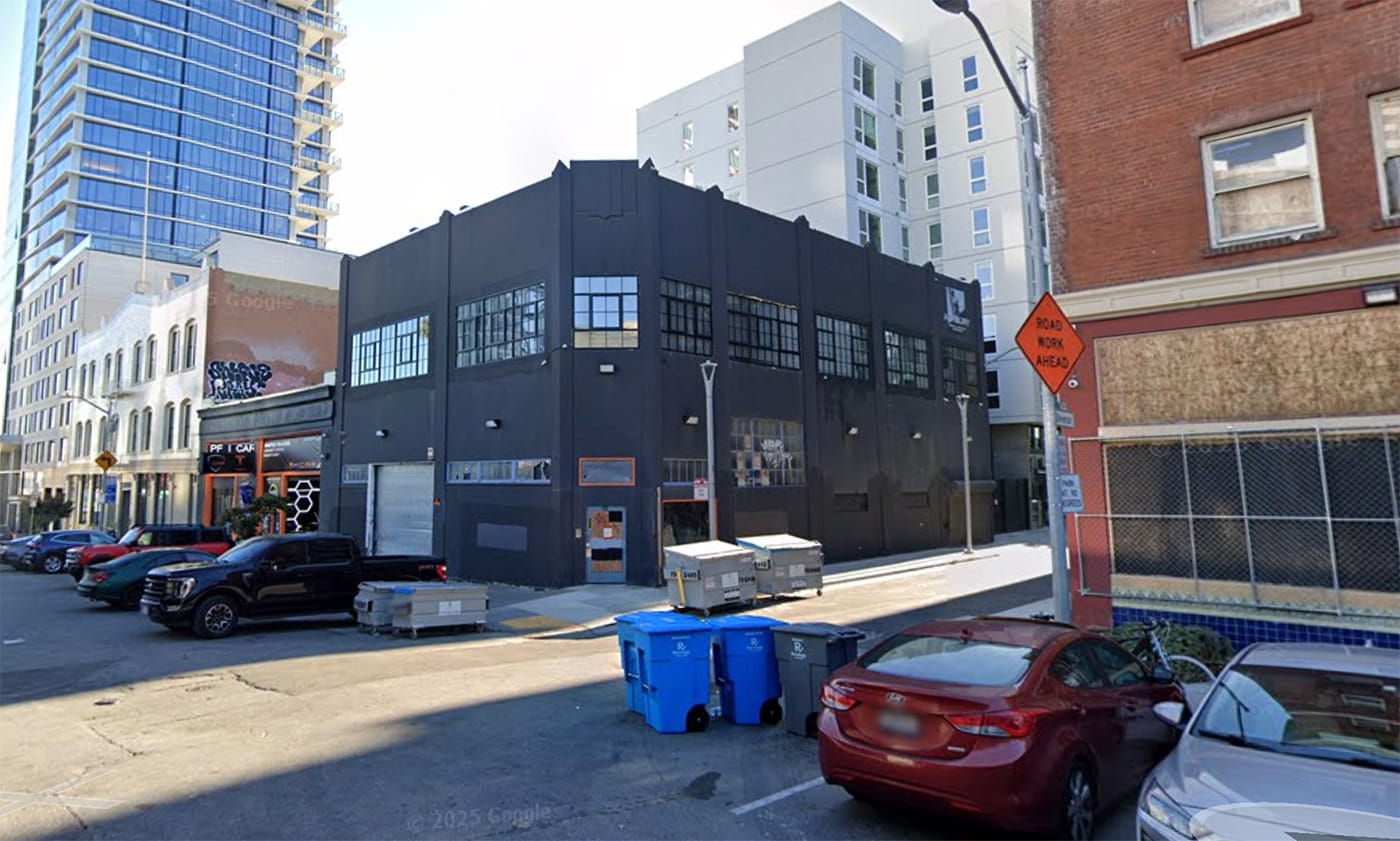
As twilight descends over the bustling streets of San Francisco's South of Market (SoMa) district, anticipation hangs in the air. Kevin Born, the visionary behind the upcoming Sanctum Baths, stands outside the two-story building at 40 12th Street, a site that will soon transform into the first gay bathhouse to open in SoMa in four decades. This moment marks not just the revival of a cultural institution lost during the AIDS crisis, but also a bold step towards redefining queer spaces in a city known for its rich LGBTQ+ history.
Sanctum Baths has been recommended for approval by city planners, with the final decision expected from the Planning Commission on Thursday. This new establishment is poised to reclaim a significant part of San Francisco's nightlife that has been absent since the 1980s. The last vestiges of bathhouse culture were extinguished by stringent ordinances passed during a critical public health crisis that saw the closure of venues that once thrived in the area.
Born, who also co-owns The Midway nightclub in Dogpatch, is dedicated to creating an upscale bathhouse experience, one that he describes as "the Four Seasons of bathhouses." After initially considering the name Maze SF, he ultimately settled on Sanctum Baths, a title that resonates with the sanctuary-like atmosphere he aims to cultivate.
The journey to this point has not been without its challenges. Born has faced delays in securing a hearing date for his project, but he remains optimistic about opening Sanctum Baths by late fall 2027. He stated, "I haven’t retained an architectural firm yet. I am hoping in the next six to seven months we should have all the permits we need then can get right into the buildout." This commitment reflects a broader trend of revitalizing LGBTQ+ spaces in a city that has seen significant cultural shifts in recent years.
The history of bathhouses in San Francisco is as complex as the city itself. Once a staple of gay nightlife in the 1970s and early 1980s, these venues provided safe havens for sexual exploration and community building. However, the AIDS crisis changed everything. In 1984, under Mayor Dianne Feinstein, an ordinance was passed that effectively outlawed bathhouses with private rooms, a move that many argue contributed to the decline of these spaces.
Prior to the ordinance, bathhouses catered to diverse clientele, from the upscale Ritch Street baths to the more leather-oriented Club Baths at 8th and Howard. The swift enforcement of the law led to the closure of nearly all bathhouses, leaving a void in the community. The few establishments that managed to survive, such as Eros, adapted to the new regulations but struggled to maintain the vibrant culture that once flourished.
In recent years, there has been a renewed interest in re-establishing bathhouse culture. Supervisor Rafael Mandelman has been at the forefront of this movement, advocating for the repeal of the 1980s ordinance and the introduction of new zoning rules in 2022 that permit "adult sex venues" within city limits. Sanctum Baths stands as a testament to these efforts, signaling a shift in the city’s approach to LGBTQ+ spaces.
The announcement of Sanctum Baths has elicited a wave of excitement and support from the community. Local LGBTQ+ organizations and residents have expressed enthusiasm for the project, seeing it as a necessary addition to the SoMa landscape. The bathhouse is expected to not only serve as a recreational space but also as a cultural hub that fosters connection and community among queer individuals.
Many community members have shared their thoughts on social media, emphasizing the importance of creating inclusive and safe environments for LGBTQ+ individuals. Born's vision of an upscale bathhouse resonates with those who seek a more refined experience that honors the legacy of bathhouses while embracing contemporary sensibilities.
However, there are also voices of caution. Some community members have raised concerns about gentrification and the potential impact on existing LGBTQ+ venues in the area. The balance between revitalizing the community and preserving its historical essence is a delicate one, and it is a conversation that will continue as Sanctum Baths moves forward.
Sanctum Baths aims to redefine the bathhouse experience by providing a luxurious and welcoming environment. According to Born, the establishment will feature modern amenities and design elements that elevate the traditional bathhouse concept. Patrons can expect a space that feels more akin to a high-end spa than a relic of the past.
While specific details about the offerings have yet to be finalized, Born envisions creating a diverse range of services and experiences that cater to the unique needs of the LGBTQ+ community. This includes wellness programs, social events, and spaces designed for relaxation and connection. The goal is to foster a sense of belonging and community, making Sanctum Baths a destination for both locals and visitors.
Born's commitment to inclusivity extends beyond the physical space. He has expressed a desire to create a bathhouse that is unapologetically queer, ensuring that all individuals feel welcome and represented. This approach aligns with the broader mission of many LGBTQ+ establishments in San Francisco, which prioritize community engagement and support.
The anticipated approval of Sanctum Baths marks a pivotal moment in the ongoing evolution of LGBTQ+ spaces in San Francisco. As the city continues to grapple with issues of gentrification and cultural preservation, the emergence of new venues like Sanctum Baths offers a glimmer of hope. It signals a willingness to embrace the complexities of queer identity while honoring the past.
As Born prepares for the next steps in the development process, the community watches closely. The success of Sanctum Baths will not only depend on its ability to attract patrons but also on its capacity to engage with the community in meaningful ways. Building partnerships with local organizations and fostering dialogue will be crucial as the bathhouse seeks to establish itself as a beloved institution.
In a city that has long been a beacon for LGBTQ+ rights and culture, Sanctum Baths represents both a return and a new beginning. It is a reminder of the resilience of the community and the importance of creating spaces where individuals can gather, connect, and celebrate their identities. As the approval process unfolds, one thing is clear: the future of Sanctum Baths is bright, and its impact on the SoMa district will be felt for years to come.
By Katherine Langford

By Marcus Chen

By Katherine Langford

By Katherine Langford