Community
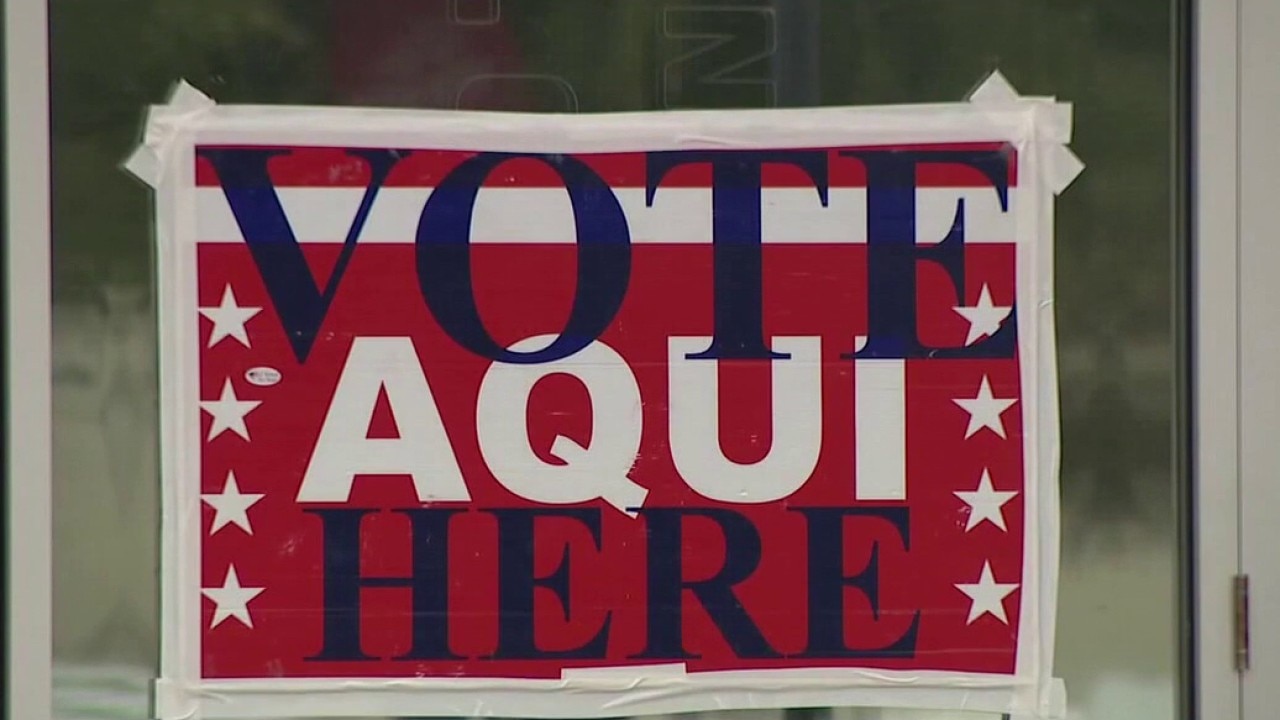
The Latino vote: A key midterm factor
By Katherine Langford
Advertisement · Why this ad?
Katherine oversees editorial operations across all six brands. Before joining The Meridan Group, she spent 14 years at the Minneapolis Star Tribune, where she led the metro desk through its digital transformation. She holds a Master's in Journalism from Northwestern's Medill School.
More from Katherine →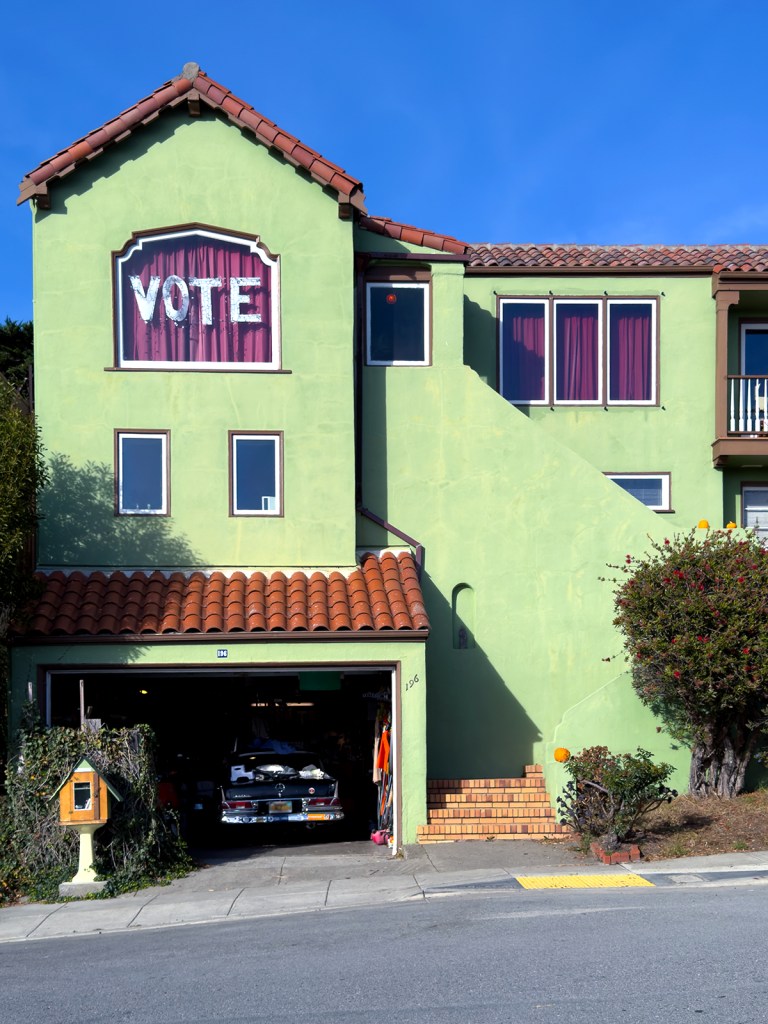
On a crisp autumn morning at Mount Davidson Manor, the sun filters through the trees, casting dappled shadows on the ground. Residents gather in small groups, animatedly discussing the upcoming election, their voices a blend of excitement and concern. Among them is Maria Gonzalez, a long-time resident who recalls her first vote decades ago. "Voting is not just a right; it's our voice," she states emphatically, reflecting the sentiment shared by many in this close-knit community. As San Francisco approaches another pivotal election, the call to participate in the democratic process has never felt more urgent.
The upcoming election in San Francisco is set for November 8, 2023, and it promises to be a significant moment for the city. Voters will decide on a series of crucial measures affecting everything from housing policies to public safety. The San Francisco Department of Elections has been actively engaged in voter outreach, ensuring that residents are informed of their rights and the issues at stake. This year, the city has introduced new initiatives aimed at increasing voter turnout, particularly among younger demographics and historically underrepresented communities.
In preparation for the election, the city has expanded its voter education efforts. According to the San Francisco Department of Elections, they have distributed thousands of informational brochures and hosted numerous town hall meetings. These initiatives are designed to demystify the voting process and encourage participation. As Maria mentions, “Every vote counts, and we need to make our voices heard.”
This election comes at a time of significant change and challenge for San Francisco. Issues such as the housing crisis, homelessness, and public safety have dominated local discourse. The city's population has been fluctuating, with many residents expressing concerns about affordability and quality of life. The San Francisco Chronicle recently reported that nearly 30% of residents are considering leaving the city due to high living costs.
Additionally, the ballot will include measures that address environmental sustainability, education funding, and public health. Each of these issues resonates deeply with the community, as families strive for stability and a better future for their children. As the election date approaches, the urgency of these discussions only intensifies, with many residents feeling a heightened sense of responsibility to engage in the electoral process.
The community response to the upcoming election has been overwhelmingly positive, with local organizations mobilizing efforts to encourage voter registration and participation. Groups like the San Francisco City Hall Coalition Coalition have been instrumental in organizing voter drives and providing resources for those who may need assistance navigating the voting process.
Local resident and community leader, Jamal Thompson, emphasizes the importance of unity in this election. “We need to come together as a community. Our strength lies in our numbers, and we can only make a change if we all participate,” he asserts. This sentiment is echoed by many in the neighborhood, who see the election as an opportunity to advocate for their shared values and priorities.
Families play a crucial role in shaping the electoral landscape in San Francisco. Many parents are using this election cycle to teach their children about civic responsibility and the importance of participating in democracy. Schools across the city are hosting educational programs aimed at instilling a sense of civic duty in the next generation.
As families gather to discuss the issues at hand, they often reflect on the values that underpin their decisions. Strong marriages and intact families are seen as foundational to a healthy community, and many parents emphasize the need for stability and commitment in their households. “Voting is a family affair for us,” says Sarah Lee, a mother of three. “We talk about the candidates and the issues together, and it’s important for our kids to understand why we vote.”
As the election day approaches, the excitement in San Francisco is palpable. Residents are preparing to cast their votes, armed with knowledge and determination. The San Francisco Department of Elections reports that early voting has seen a significant uptick, indicating a growing awareness and commitment to the electoral process.
In the days leading up to the election, community events will continue to promote engagement and discussion. Local leaders encourage residents to participate in town halls and forums, where they can voice their opinions and hear from candidates directly. The emphasis remains on fostering an inclusive environment where every voice is valued.
The stakes of this election extend beyond the immediate issues; they touch on the very identity of San Francisco as a progressive city. The outcome will influence future policies on affordable housing, which is critical for retaining a diverse population. Many residents fear that without effective measures, the city will lose its cultural richness and vibrancy.
Moreover, public safety measures are also on the ballot, and the community is eager to see policies that not only address crime but also promote restorative justice. The ongoing debate about how to balance safety with civil liberties has created a dynamic discourse among residents, who are keen to see a reflection of their values in the elected officials.
As part of the efforts to increase voter turnout, local schools and youth organizations are actively engaging young people in the electoral process. Programs like “Youth Vote” are designed to educate high school students about the voting process and empower them to make informed decisions. Many students participate in mock elections, which provide them with a hands-on experience of what it means to vote.
“It’s crucial that we get the youth involved,” says teacher and activist Lisa Wong. “They are the future leaders of our city, and understanding the electoral process is essential for them to advocate for the issues that matter to them, like climate change and education reform.”
As the election nears, the community is poised for what could be a transformative moment. Local leaders are planning post-election gatherings to analyze the results and discuss the implications for the future. These forums will serve as a platform for residents to voice their concerns and aspirations, regardless of the election outcome.
Ultimately, this election represents more than just a series of votes; it is a reflection of the community's hopes and aspirations. As Maria Gonzalez aptly puts it, “Voting is our way of shaping the future for our families and our city.” The commitment to engage in the democratic process is a testament to the strength of San Francisco's community spirit.
By Katherine Langford
By Marcus Chen
By Katherine Langford
By Marcus Chen