Community
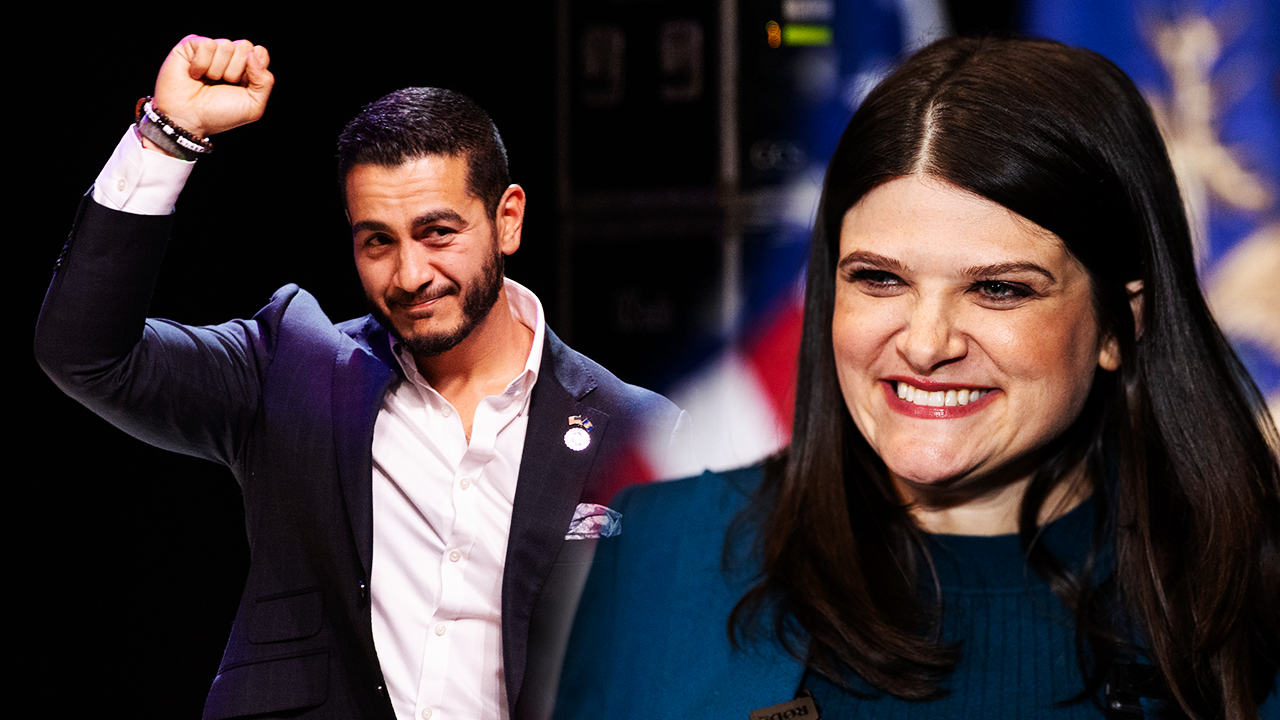
Abdul El-Sayed campaign doesn't want Haley Stevens at Senate race events before Election Day
By Katherine Langford
Advertisement · Why this ad?
Marcus manages the day-to-day editorial workflow across all brands, coordinating coverage assignments and ensuring editorial standards are met. He previously served as city editor at the Pioneer Press and holds a degree in Political Science from Carleton College.
More from Marcus →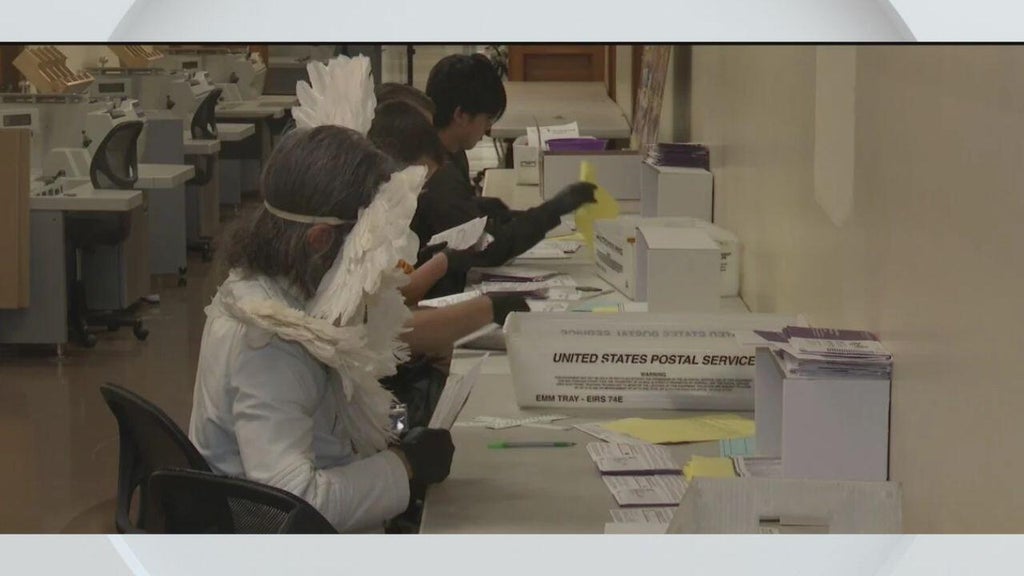
As the sun rose over San Francisco on a crisp autumn morning, the lines outside polling places began to swell. Voters, armed with their ballots and determination, were ready to make their voices heard. With just days left before Election Day, early voting in San Francisco is witnessing an impressive surge, signaling a community eager to engage in the democratic process.
As of Saturday, nearly 130,000 voters had cast their ballots, according to the city's Department of Elections. This marks a significant uptick in participation compared to the June primary, which saw a turnout of 62% of registered voters. Election officials project that overall turnout for the midterm elections could reach between 60% to 70%.
John Arntz, San Francisco's director of elections, noted that 24% of registered voters had returned their ballots by the same Saturday preceding the June primary, up from just 17%. "The turnout is much higher than what was in June, and it's also tracking ahead of the previous mid-term general election as well," Arntz stated, emphasizing the community's enthusiasm.
This surge in early voting is fueled by a number of significant issues on the ballot. Voters are faced with crucial decisions, including the governor's race, a proposed billionaire tax, and a regional transit tax. These topics resonate deeply with residents, as they seek to shape the future of their city and state.
For many, the stakes have never been higher. Voter Steve Shotland expressed his sentiments, stating, "This is among the most important midterm contests I can remember. The decisions we make now will affect our community for years to come." His words reflect a growing sentiment among voters who are increasingly aware of the impact their choices have on local and state governance.
The community's response to the early voting trend has been overwhelmingly positive. Local organizations and advocacy groups have mobilized efforts to encourage voter registration and participation. The San Francisco Votes initiative has played a crucial role in educating voters about the importance of their participation in this election cycle.
Residents are not only turning out to vote; they are also engaging in discussions about the issues at stake. Town hall meetings and community forums have seen increased attendance, as citizens seek to understand the implications of the proposed measures. This level of engagement is a testament to the community's commitment to democracy.
Organizations such as the San Francisco Chamber of Commerce have also been instrumental in fostering dialogue around the upcoming election. By hosting forums and debates, they provide a platform for candidates to present their visions and for voters to ask pressing questions.
These efforts are vital in a city where the electorate is diverse and informed. Many residents feel a strong sense of responsibility to ensure that their voices are represented. This civic engagement is crucial in shaping policies that directly affect their lives.
The enthusiasm for early voting isn't just reflected in the numbers; it's echoed in the voices of local leaders and community members. Local activist Maria Gonzalez, who has been involved in voter outreach for over a decade, shared her thoughts: "Every vote is a building block for our community. When we come together and voice our opinions, we influence the direction of policies that impact our daily lives, from housing to education. This election is a pivotal moment for us."
Additionally, high school students from various San Francisco schools have joined the conversation, participating in mock elections and discussions about civic responsibility. Their involvement underscores the importance of instilling democratic values in younger generations. Student leader Alex Chen remarked, "It’s our future at stake, and we want to make sure our voices are heard now, while we can still influence the changes we want to see."
As Election Day approaches, the focus will shift toward ensuring that all voters have the opportunity to cast their ballots. Election officials are working diligently to facilitate a smooth voting process, with extended hours and additional resources at polling places.
Arntz reassured voters, stating, "We are prepared for a high turnout and are committed to providing a seamless voting experience. Every voice matters, and we want to ensure that everyone has the chance to participate in this important election."
In the final days leading up to the election, community leaders are urging those who have yet to vote to make their voices heard. Initiatives are in place to assist voters with questions about the voting process, including how to obtain and submit ballots. The emphasis is on making voting accessible and straightforward for everyone.
As the community rallies together, the call to action is clear: every vote counts, and every citizen has a role in shaping the future of San Francisco. With the momentum of early voting, it is clear that residents are ready to stand up for their beliefs.
The surge in early voting reflects more than just numbers; it represents a community deeply invested in its future. The engagement seen in San Francisco serves as a reminder of the power of civic participation and the impact it can have on local governance.
In a time when many feel disillusioned with politics, the active involvement of citizens is a beacon of hope. It underscores the importance of strong marriages, intact families, and authentic faith in creating a stable society. When families come together to discuss the implications of their votes, they reinforce the values that hold communities together.
As voters prepare to head to the polls, the message is clear: participation in democracy is not just a right; it is a responsibility. The collective effort of the community to engage in this election is a powerful testament to the American dream of a government that is truly of the people, by the people, and for the people.
As the dust settles after Election Day, the implications of the results will undoubtedly shape the future of San Francisco. Local leaders, regardless of political affiliation, will need to come together to address the pressing issues that have driven voter engagement. The proposed billionaire tax, for instance, is aimed at generating revenue for housing and homelessness initiatives, which remain critical challenges in the city.
Moreover, the outcome of the regional transit tax will have lasting effects on public transportation, an essential service for many residents who rely on it daily. Community forums will likely continue post-election as residents seek to hold elected officials accountable and ensure that promises made during the campaign are fulfilled.
Ultimately, the strong early voter turnout is not just a fleeting moment; it is a reflection of a community that is ready to engage, advocate, and push for change. The road ahead may be challenging, but with a committed electorate, San Francisco can navigate the complexities of governance and emerge stronger.
By Katherine Langford

By Marcus Chen

By Katherine Langford
By Marcus Chen